
Will Less Cash Lead to Debt?

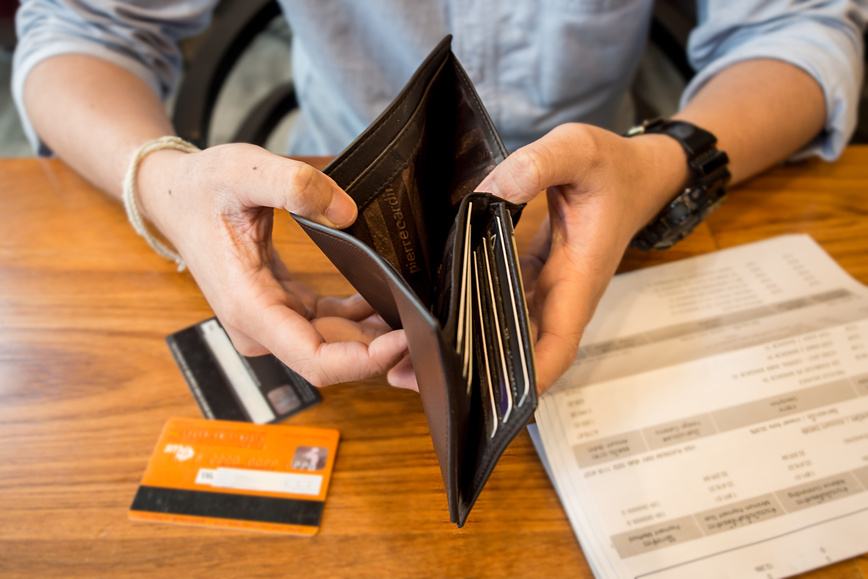
A website, Scitechdaily, has written about what they refer to as the ‘cashless’ effect, the increased willingness to buy things when physical cash does not change hands.
The theory was established by Elizabeth Hirschmann in 1979. A survey conducted in a number of branches of a department store recorded what people bought and what they paid with. People who used a store or credit card made larger purchases than those using cash. It also found that people with a choice of cards spent the most.
Research has built on this initial work finding that compared with people who use cash, people who use cards are happy to spend more and are less likely to recall their past expenditures. They tend to concentrate on and remember product benefits rather than costs. Finally, they are more likely to make more unplanned, indulgent and unhealthy purchases.
Subscriber content
Read the full article
Full access to Cash & Payment News articles, newsletters and archives.