
Japan’s Paradox of Banknotes

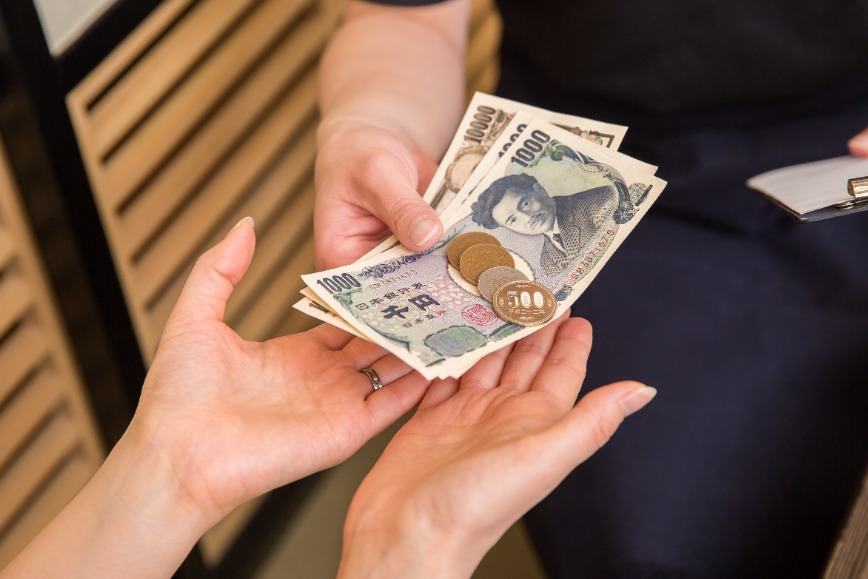
While cash transactions in Japan have been declining for some time, albeit from a high base, the reduction in opportunities to pay in cash and the increased use of ‘stay at home consumption’ during the pandemic has accelerated this decline. At the same time the ratio of banknotes to GDP has risen very significantly. The Bank of Japan (BOJ) has issued a paper 1 considering Japan’s version of this cash paradox. The paper looks at the long term use of cash and how this has changed during the pandemic.
While Japan has a propensity to prefer cash, its cash-to-GDP ratio was about 16% pre-pandemic compared with the US (about 8%) and the euro area (about 11%), the share of transactions made in cash has been declining. The BOJ says this is because of a decline in opportunities to pay in cash due to the spread of cashless payment methods. The share of cashless payments in private consumption expenditure has risen from 20% in 2016 to about 29% in 2020.
Subscriber content
Read the full article
Full access to Cash & Payment News articles, newsletters and archives.