
Cash Increases Risk for Central Banks

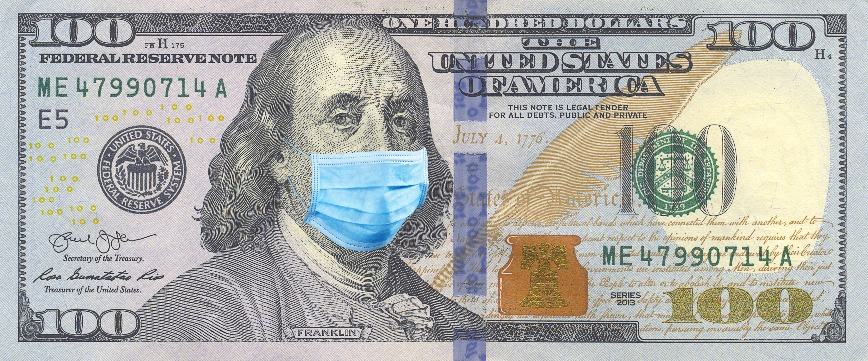
A recent paper, ‘COVID Cash*’, by Kenneth Rogoff and Jessica Scazzero considers the implications for advanced economies in the long-term trend of value being stored in cash, a trend accelerated by, and highly visible due to, the pandemic. They make two arguments.
Firstly, most of this cash is being held due to criminal intent or tax evasion, and the resulting lost value to the economy and the cost of policing this means the seigniorage benefits are small or negative. (Rogoff is, of course, well-known for his views in our industry through his book ‘The Curse of Cash: How Large-Denomination Bills Aid Crime and Tax Evasion and Constrain Monetary Policy’).
Secondly, people can swiftly move from holding value as cash to holding it in bank accounts should interest rates or circumstances change. A quick reversal will require central banks to convert their long-term interest-bearing assets into funds to pay to the banks that are, effectively, with a maturity close to zero. This disrupts government debt funding and introduces volatility, adding complexity to what will probably already be a difficult time.
Subscriber content
Read the full article
Full access to Cash & Payment News articles, newsletters and archives.